
What Is a Test Pump Hose Kit Used For in Testing?
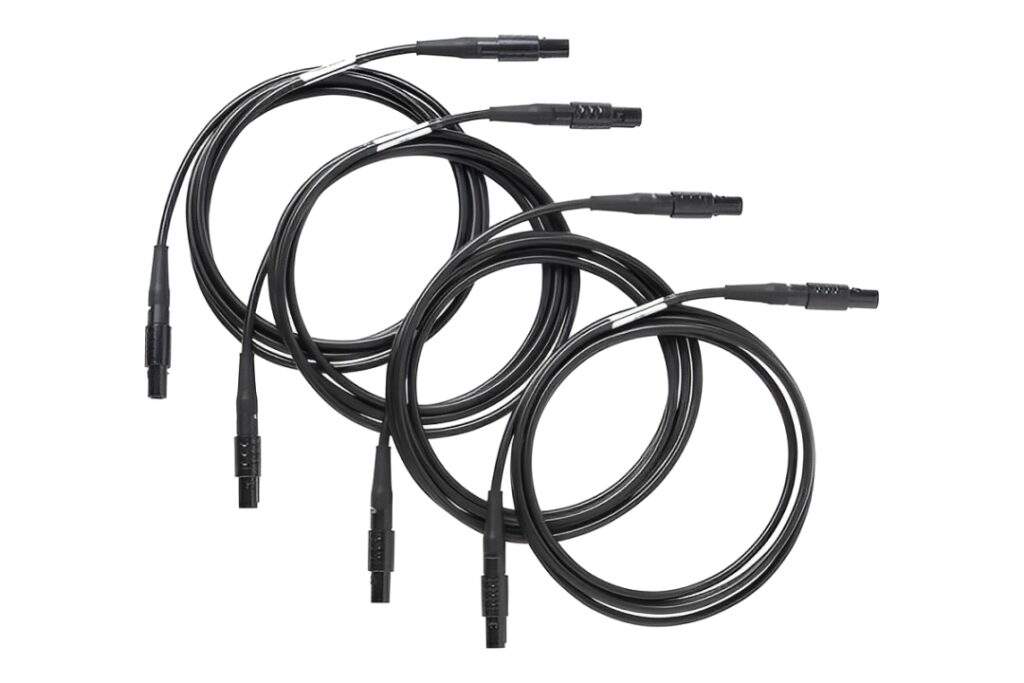
Test Pump Hose Kit: What It Is and Why It Matters
A Test Pump Hose Kit connects your pressure test pump to the device under test so you can apply, hold, and verify pressure with control and confidence. Whether you are calibrating gauges, validating valves, or checking system integrity, the right hose kit reduces leaks, improves stability, and protects your tools and setup.
Moreover, in real field work, small connection issues often cause the biggest delays. So, choosing a reliable Test Pump Hose Kit helps you work faster while keeping results consistent.
Why a Test Pump Hose Kit is essential in pressure testing
Pressure testing depends on clean connections and predictable flow. Therefore, the hose kit becomes just as important as the pump itself.
Key benefits include:
- Better sealing at connection points to reduce pressure loss
- Smoother pressure build up for more accurate readings
- Safer handling when working near high pressure lines
- Faster setup changes when using compatible connectors and adapters
In addition, a high quality kit supports repeatable results, which is critical for calibration, compliance checks, and routine maintenance logs.
Where Test Pump Hose Kits are commonly used
A Test Pump Hose Kit fits into many work environments because pressure appears across industries.
Common applications:
- Calibration labs verifying pressure gauges and transmitters
- HVAC testing for pressure and leak checks in lines and components
- Industrial maintenance for valves, regulators, and pressure switches
- Process plants where safety and verification routines are mandatory
- Field service work where portability and quick connection matter
Also, technicians often combine pressure work with electronics diagnostics. For example, you may test pressure sensors, then validate signals through controllers and displays.
What a typical Test Pump Hose Kit includes
Most kits contain parts designed to create a stable, leak resistant connection from pump to test point.
Typical components:
- High pressure hose rated for the required test range
- Quick couplers or threaded fittings for secure joining
- Adapter set to match common port sizes
- Seals and spare O rings for maintenance and reliability
- Protective caps to keep connectors clean during storage
Because ports vary, compatibility matters. So, a good kit focuses on connector variety without sacrificing sealing quality.
Choosing the right hose: ratings, materials, and flexibility
The hose is the core of the kit. If the hose rating does not match your use case, accuracy and safety both suffer.
Pressure rating and burst margin
Always select a hose rated above your maximum test pressure. In practice, extra margin helps protect against spikes during pump strokes and valve closures.
Hose material and chemical exposure
Some environments involve oils, cleaning fluids, or hydraulic residue. Therefore, choose a hose material that tolerates oils and common industrial fluids without softening or cracking.
Flexibility and handling
A stiff hose can twist fittings and loosen seals. On the other hand, a flexible hose supports stable positioning, especially when your tools are in tight panels near switches, fuses, and wiring.
Fittings and connectors: the real difference maker
Even a premium hose performs poorly if connectors are mismatched or worn. So, evaluate fittings like you would evaluate the pump.
Important fitting features:
- Precision threads that seat smoothly without cross threading
- Strong locking mechanisms on quick couplers
- Clean internal pathways that reduce pressure lag
- Durable finishes that resist corrosion and wear
In modern setups, technicians often manage mixed systems that include contactors, connectors, and electronics modules nearby. Therefore, a secure hose connection also reduces the chance of accidental contact or sudden movement around sensitive components.
How the kit supports accuracy with sensors and controllers
Pressure testing often links to instrumentation verification. For instance, you may apply pressure and observe changes on a display, logger, or control system.
A dependable Test Pump Hose Kit helps because it:
- Minimizes micro leaks that cause gradual pressure drift
- Stabilizes pressure so sensors can settle and report accurately
- Reduces pulsation that can confuse controllers and readings
In addition, many systems integrate pressure signals into microcontrollers, controllers, and monitoring hardware. When your pressure input stays stable, the electronics response becomes easier to validate and document.
Safety practices that should always come first
High pressure testing demands a careful routine. Although hose kits simplify setup, you still need disciplined safety checks.
Use these best practices:
- Inspect hose outer layer for cuts, bubbles, or stiffness
- Confirm connector seating and seal condition before pressurizing
- Keep your hands clear of joints during pressure build up
- Release pressure slowly and fully before disconnecting
- Wear appropriate PPE, especially eye protection and gloves with secure grips
- Store hoses with caps to keep debris out of sealing surfaces
Also, avoid routing hoses near hot surfaces. Thermal exposure can weaken materials over time, especially in areas with thermal sources, thermal pads, or heated equipment.
Installation tips for fast, clean connections
A clean connection saves time and prevents rework. So, build a consistent connection routine.
Recommended steps:
- Wipe mating surfaces before joining connectors
- Use the correct adapter rather than forcing a near match
- Tighten to firm contact, then stop, since overtightening can damage seals
- Confirm zero pressure before disconnecting and swapping adapters
- Keep a small spare seal pack in your tool case
Moreover, if you work around panels with LEDs, switches, and fuses, keep hose routing tidy to avoid snagging or unintended pulls during testing.
Maintenance and storage for long kit life
A Test Pump Hose Kit lasts longer when stored clean and handled gently. This matters because worn seals and dirty connectors are common causes of unreliable test results.
Helpful maintenance habits:
- Replace O rings at the first sign of flattening or cracking
- Keep connectors capped to block dust and moisture
- Coil hoses loosely to prevent kinks and internal stress
- Clean residue promptly, especially if oils or hydraulic fluids are present
- Store away from direct heat and sunlight to reduce material aging
Additionally, many technicians store tool kits near electronics gear, laptops, and test instruments. Therefore, keeping the hose kit sealed and clean helps protect nearby equipment from contamination.
How to match a Test Pump Hose Kit to your workflow
Different jobs require different connection styles. So, think about the work you do most often.
Consider:
- Your typical pressure range and required rating
- The port sizes you see most in the field or lab
- Whether quick changes matter for high volume calibration work
- How often you test sensors versus mechanical components
- The environments you work in, including thermal conditions and exposure to oils
In some setups, you may also verify supporting electrical elements, such as connectors, contactors, and control wiring. When your pressure testing hardware is dependable, you can focus on diagnosing the system rather than fighting leaks.
Final thoughts
A Test Pump Hose Kit is a practical upgrade that improves pressure testing speed, stability, and safety. By choosing the right hose rating, reliable connectors, and proper seals, you reduce pressure drift and get cleaner results across calibration and maintenance tasks.