
Fluke 87V Multimeter Kit: Why Do Pros Trust It?
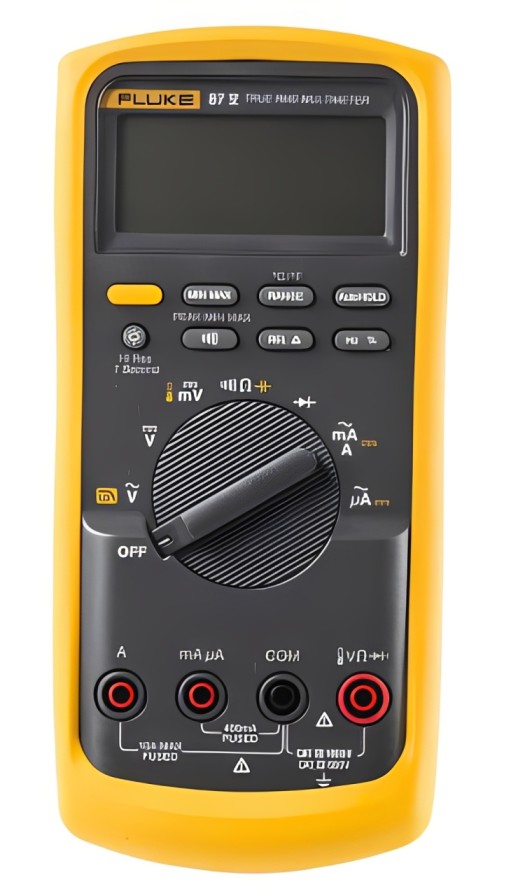
Fluke 87V Multimeter Kit
When you need dependable readings in demanding environments, the Fluke 87V Multimeter Kit is built to deliver confidence. It supports professional troubleshooting where accuracy, safety, and durability matter most. Whether you work around motors, panels, automation lines, or bench electronics, this kit helps you verify voltage, current, and resistance fast, and it helps you do it consistently.
At the same time, modern systems mix power and precision. So technicians often deal with contactors, drives, switching supplies, and sensitive controllers in the same workflow. Because of that, a trusted meter and the right accessories can reduce guesswork, cut downtime, and support safer decisions.
What makes the Fluke 87V Multimeter Kit stand out?
The kit is designed for real job sites, not just the lab. It focuses on stability, clear display behavior, and protection features that support day to day troubleshooting.
Key reasons professionals choose it include:
- Reliable performance in electrical noise from contactors and switching equipment
- Strong safety design for industrial and field use
- Practical accessories that help you work efficiently with cables and connectors
- A build style that holds up when tools get used daily
Also, because it is widely used in maintenance teams, many training practices and checklists already align with how technicians measure and confirm values using this meter.
Accuracy that supports better decisions in electronics
In electronics troubleshooting, small measurement errors can lead to big delays. You may be tracking a failing capacitor, confirming continuity on a PCB path, or checking a regulator feeding microcontrollers. Therefore, you need stable readings that do not drift or fluctuate without reason.
A quality meter helps you:
- Confirm supply rails for controllers and microprocessors
- Validate diode paths and continuity around connectors
- Compare resistance and verify suspected capacitor issues
- Check voltage drop across fuses and switches under load
Additionally, steady measurement behavior helps you spot trends. For example, if a circuit works cold but fails warm, consistent readings can help you connect the failure to thermal conditions instead of random variation.
Practical tip for bench work with laptops and small devices
When working near laptops or compact control boards, keep your probe contact stable and avoid slipping on tight pads. Use clean grips, good lighting, and controlled probe pressure. As a result, you reduce accidental shorts and improve measurement repeatability.
Built for industrial environments and field safety
Industrial sites add risk. You may be measuring near high energy circuits, motor control centers, or distribution panels where safety is not optional. So, the right multimeter kit is as much about protection and safe workflow as it is about features.
A safer routine includes:
- Inspecting cables before every shift for nicks or loose connectors
- Verifying correct input jacks before measuring current or voltage
- Using proper PPE and maintaining safe approach distances
- Confirming circuit state before touching terminals
Also, technicians often work around oils, dust, and vibration. Because of that, durable tools and reliable leads matter. A kit approach helps keep the meter, test leads, and related tools organized, which supports safer habits on site.
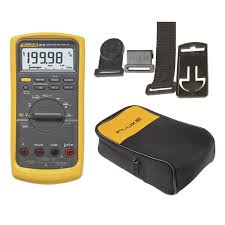
Accessories that help you work faster and cleaner
A kit is valuable because it supports real workflows. In many jobs, the meter is only as effective as the accessories attached to it. Poor leads or loose connectors can create false readings and wasted time. So, using trusted cables and stable connectors improves both accuracy and speed.
Look for accessories that support:
- Secure connections on crowded terminal blocks
- Cleaner probing in panels with dense wiring
- Better handling with comfortable grips for long sessions
- Reliable lead insulation for safety and durability
Additionally, well managed cables reduce fatigue. When you are tracing circuits across a cabinet, a neat lead setup can prevent snags and keep your hands steady.
Lead handling habits that protect your results
- Keep test leads untangled and routed away from moving parts
- Clean contact points if oxidation is visible
- Replace leads that feel loose or show worn insulation
- Store leads so that connectors do not bend sharply
Handling thermal effects and troubleshooting under heat
Heat changes electrical behavior. Components can drift, solder joints can open, and resistance can rise. Therefore, troubleshooting often requires thinking about thermal conditions, especially in control cabinets and power assemblies.
Use a structured approach:
- Measure baseline values at normal temperature
- Recheck after the system has warmed under load
- Watch for changes that match the time a fault appears
- Inspect thermal pads, airflow paths, and mounting contact
Thermal checks matter in many systems, including LED drivers, power supplies, and motor control electronics. Also, when a failure appears only after warm up, heat is often the missing clue.
Use cases across automation, maintenance, and diagnostics
The Fluke 87V Multimeter Kit fits many roles. It supports preventive maintenance, fault isolation, and verification after repair.
Common tasks include:
- Verifying supply voltage in panels and distribution points
- Checking continuity through fuses, switches, and wiring harnesses
- Measuring current paths in equipment diagnostics
- Confirming correct wiring on sensors and controllers
- Testing connectors for intermittent contact under vibration
In automation environments, you may also validate sensor signals before suspecting PLC programming. As a result, you can avoid unnecessary part swaps and shorten downtime.
Troubleshooting contactors and switching circuits
When contactors chatter or fail to hold, you can check coil voltage, confirm control signal stability, and verify any protective devices in the circuit. Also, inspect wiring terminations and connector tightness, since loose connections can mimic deeper faults.
Choosing the right workflow for accurate measurements
Even the best tool needs a good method. Therefore, build a repeatable process that reduces mistakes.
A strong workflow looks like this:
- Identify the measurement goal before you probe
- Confirm the correct function and range selection
- Stabilize probe contact and keep hands steady
- Record readings and compare to expected values
- Recheck at key points to confirm consistency
Also, if readings seem unusual, verify with a second point in the circuit. This habit can quickly reveal whether the issue is a bad connection, a failing component, or a misunderstanding of circuit reference.
Getting long term value from the kit
A kit becomes more valuable over time because it supports consistent habits. When your multimeter, leads, and accessories are kept together, you spend less time searching and more time diagnosing.
To extend service life:
- Store the meter and cables clean and dry after use
- Avoid sharp bends in leads and protect connectors
- Keep the display and input ports free of grime
- Replace worn cables early to maintain safety and accuracy
Also, keep a simple maintenance note for critical tools. A quick inspection log can prevent a damaged lead from creating a risky situation later.
Conclusion
The Fluke 87V Multimeter Kit is a practical choice when you need accuracy, durability, and safer troubleshooting across industrial and electronics work. It supports measurements in real environments where cables, connectors, contactors, and sensitive controllers coexist. And because it fits into disciplined workflows, it helps professionals reduce downtime, improve confidence, and troubleshoot with clearer results.