
How Does a Manganese Dioxide Battery Power Devices?
Introduction
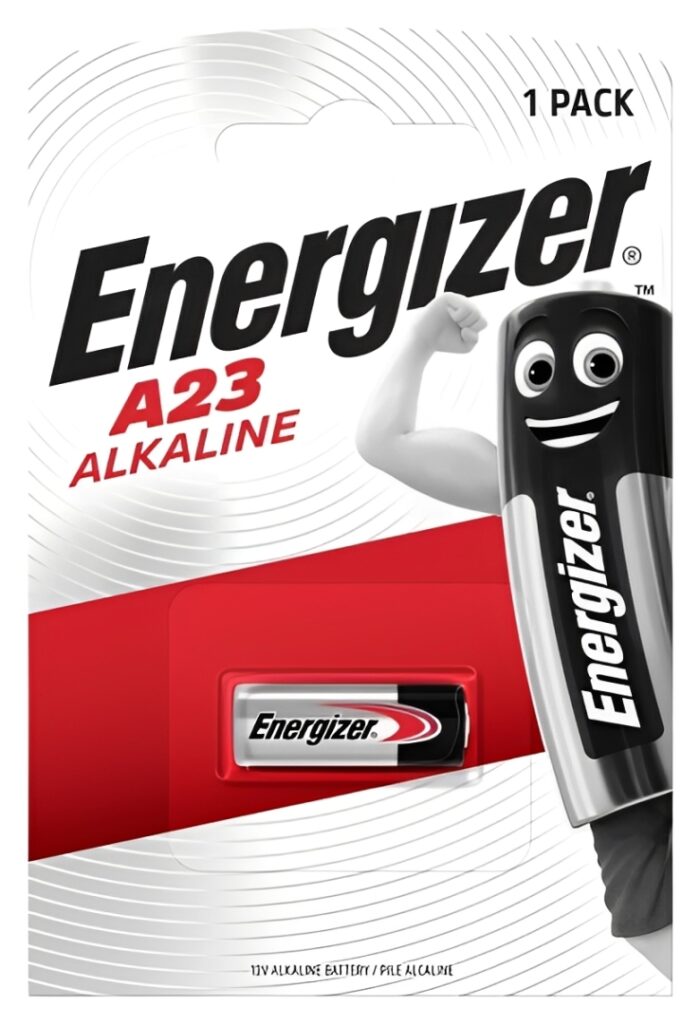
A Manganese Dioxide Battery powers many modern devices by delivering stable and dependable energy in a compact form. It is widely used in electronics that need reliable performance, long storage life, and practical everyday operation. From sensors and switches to portable tools and safety devices, this battery chemistry remains an important part of both consumer and industrial applications.
As electronic systems become more compact and more advanced, power sources must support consistency as well as convenience. That is why this type of battery continues to hold its place in many markets. It offers straightforward performance for users who need dependable energy without unnecessary complexity.
What makes this battery chemistry effective
The effectiveness of this battery comes from the role manganese dioxide plays in the internal chemical reaction. It helps the cell generate electrical energy in a stable and controlled way. Because of this, the battery can support devices that depend on predictable output over time.
This matters in products that are used occasionally as well as in products that operate regularly. In both cases, reliability is essential. A battery that can remain ready during storage and respond well in operation provides clear value. Therefore, manganese dioxide chemistry continues to be chosen for practical power needs across electronics.
Why a Manganese Dioxide Battery remains in demand
A Manganese Dioxide Battery remains in demand because it offers a strong balance between performance, cost efficiency, and ease of use. It suits many devices that do not require recharging and instead benefit from simple installation and replacement. This makes it a convenient choice in both household and professional settings.
Its ongoing popularity is linked to several important strengths:
- Dependable energy for everyday electronics
- Good shelf life for stored equipment
- Practical design for compact products
- Stable performance in many low-drain applications
- Straightforward replacement in portable devices
Because of these benefits, manufacturers and users continue to rely on this chemistry for a broad selection of products.
Common uses in electronics and everyday equipment
This battery type is commonly found in products that need compact and efficient power. It supports electronics used at home, in offices, and in technical environments. Devices such as sensors, portable controllers, handheld tools, and safety units often benefit from the dependable nature of this battery.
It also works well in equipment connected to wider electrical systems. For example, a device may operate alongside connectors, cables, switches, and fuses while still depending on a battery as its primary power source. In these cases, the battery supports overall system performance by providing stable electrical energy.
Many modern electronics also include LEDs, capacitor based circuits, and miniaturised control features. A battery that can support these functions consistently becomes a practical part of product design and long term operation.
How it supports reliability in important devices
Reliability is one of the most important factors in battery selection. A device may be needed at a crucial moment, especially in applications related to safety, testing, or field maintenance. Therefore, the power source must be ready to perform without delay.
A manganese dioxide battery supports this need by offering dependable stored energy and predictable performance. This is particularly useful in compact systems that include sensors or controllers. If these devices fail to receive proper power, the entire function of the equipment can be affected.
For that reason, this battery is often trusted in products where readiness matters. A consistent power source helps reduce interruptions and improves confidence in the device itself.
The value of compact energy in modern design
Compact energy storage is increasingly important as electronics continue to become smaller and more advanced. Designers need batteries that fit limited space while still supporting device reliability. A Manganese Dioxide Battery fits well within this requirement because it combines efficient size with useful performance.
This makes it relevant for products that use:
- Microcontrollers in smart systems
- Microprocessors in compact electronics
- Sensors in monitoring equipment
- Controllers in portable devices
- Small tools designed for mobility
In these products, battery size and performance influence how the final device operates. A well suited power source can improve convenience, portability, and user satisfaction.
Relevance in industrial and technical settings
This battery chemistry is not limited to household items. It also supports many technical and industrial applications where dependable portable power is needed. Equipment used in inspection, testing, and routine maintenance often relies on compact batteries that are easy to replace and easy to store.
In industrial environments, many devices operate around contactors, switches, safety systems, and control assemblies. While large systems may use fixed power infrastructure, smaller supporting products often use battery power for portability and flexibility. This is where manganese dioxide chemistry continues to offer clear advantages.
Workers using portable electronics, grips, and technical tools benefit from equipment that remains ready during routine tasks. In these situations, battery dependability supports smoother operation and better productivity.
Practical considerations when choosing the right battery
Selecting a battery should always involve a clear review of application needs. Not every device requires the same type of power source. The right choice depends on operating conditions, usage patterns, and the electrical demands of the product.
Useful factors to consider include:
- Required voltage and device compatibility
- Expected storage period before use
- Frequency of operation
- Environmental conditions around the device
- Maintenance needs and replacement ease
These considerations become even more important in environments with thermal concerns. Devices operating near thermal pads, heat producing electronics, or enclosed assemblies may require careful battery selection. In some maintenance areas, oils and handling conditions should also be considered to support safe and reliable operation.
Why this battery still matters in a changing market
The battery market continues to develop, yet manganese dioxide chemistry still matters because it serves real and practical needs. Many devices do not need complex energy systems. Instead, they require reliable, accessible, and simple battery performance. This is where manganese dioxide batteries continue to prove their value.
Their importance is visible in the large number of products that rely on easy to manage power sources. Whether used in electronics, controllers, LEDs, safety devices, or portable testing tools, this battery type continues to support essential functions. It remains relevant because it solves everyday power needs in an efficient and trusted way.
Even as technology evolves, dependable primary battery solutions will continue to have a place in many sectors. This chemistry remains part of that foundation.
Conclusion
A Manganese Dioxide Battery powers devices effectively by providing stable, practical, and dependable energy for a wide range of applications. Its long shelf life, easy replacement, and compatibility with modern electronics make it a strong choice for users who value reliability and simplicity.
From sensors and microcontrollers to safety products, switches, and portable tools, this battery chemistry supports systems that need dependable performance in real conditions. As electronics continue to expand across homes, workplaces, and technical settings, manganese dioxide batteries will remain a trusted power solution.