
Why Choose a Fluke Data Logging Air Quality Meter?
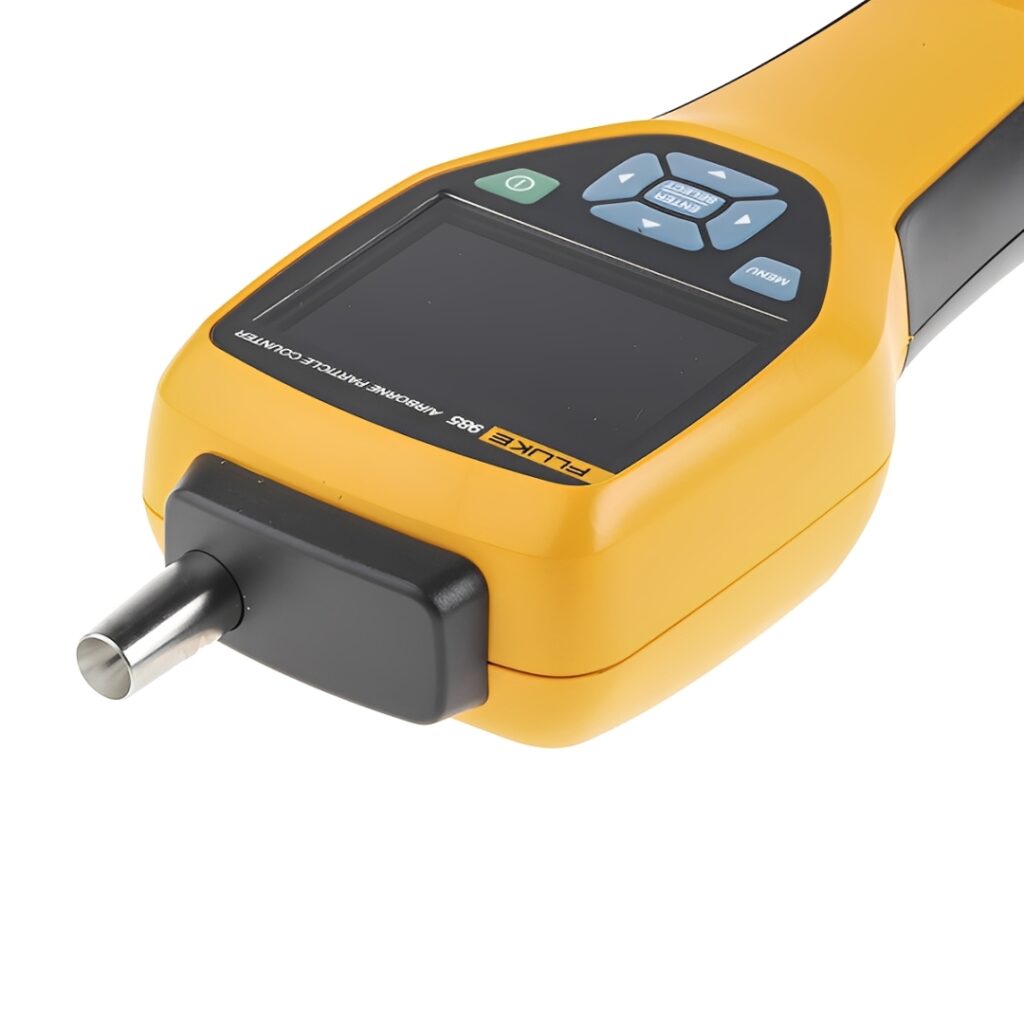
Fluke Data Logging Air Quality Meter: What Makes It Essential?
A Fluke Data Logging Air Quality Meter is designed to measure key indoor air parameters and store readings over time, so you can spot trends instead of guessing. Rather than relying on a single snapshot, you gain a clear picture of how air conditions change throughout shifts, seasons, and occupancy patterns. As a result, you can make confident decisions for comfort, compliance, and safety.
Indoor air quality affects productivity, equipment reliability, and user wellbeing, especially in offices, schools, healthcare spaces, laboratories, and industrial sites. Therefore, choosing a meter that combines reliable sensors with robust data logging is a practical step for routine monitoring and investigative troubleshooting.
What Does an Air Quality Meter Measure and Why It Matters
Air quality is not one number. Instead, it is a set of measurements that work together to describe indoor conditions. A professional meter typically focuses on indicators that influence ventilation quality and comfort.
Common parameters you can monitor include:
- Carbon dioxide levels to evaluate ventilation effectiveness in occupied spaces
- Temperature and humidity to maintain comfort and reduce condensation risk
- Dew point to understand moisture behavior and potential mold conditions
- Time stamped trend data to show patterns across hours or days
Because environmental conditions shift frequently, data logging helps you confirm whether a problem is consistent, intermittent, or linked to a specific activity. For example, a classroom may look fine in the morning but show elevated CO2 after extended occupancy. With logging, you can prove the pattern and respond appropriately.
Key Features to Look For in a Data Logging Meter
When you are evaluating a Fluke Data Logging Air Quality Meter for product use, focus on features that support accuracy, usability, and repeatable reporting. These details matter because indoor assessments often need evidence, not opinions.
Important capabilities often include:
- Stable sensor performance with consistent readings across long sessions
- Adjustable logging intervals to match short tests or long audits
- Clear on screen summaries and easy data export for reports
- Strong build quality for daily field use and site work
- Useful alarms for thresholds so you notice changes quickly
- Efficient battery management for extended monitoring
In addition, a dependable meter fits into the broader workflow of technicians who already carry essential tools. If you are working around electronics panels, test benches, or maintenance bays, the meter should feel as practical as your other diagnostic tools.
How Data Logging Improves Real World Decisions
A single reading can be misleading. However, a logged dataset shows the story behind the air. This is especially valuable when you need to connect air changes to equipment cycles, occupancy, or operational schedules.
Data logging supports decisions such as:
- Verifying ventilation adjustments before and after changes
- Comparing multiple rooms to identify problem zones
- Demonstrating performance improvements with measured evidence
- Documenting conditions for audits, troubleshooting, or maintenance records
Furthermore, logged records help reduce repeated site visits. Once you capture the trend, you can plan targeted fixes rather than trial and error.
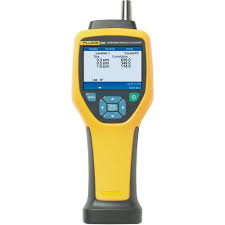
How the Meter Works in Practical Terms
A data logging meter measures environmental inputs through built in sensors, then stores results with timestamps. Afterward, you review readings on the device or export them to a computer for deeper analysis.
Sensors, Stability, and Good Measurement Habits
Sensors are the core of any air quality meter, so handling and procedure matter. For consistent results, allow the device to stabilize in the room and keep it away from direct drafts or heat sources. Also, avoid placing it near vents, open windows, or equipment that emits localized thermal output.
In many facilities, air quality issues sit close to electrical and control infrastructure. For example, ventilation fans may be tied into controllers, contactors, and safety interlocks. Therefore, it is useful when your measurements can align with HVAC events and control logic changes.
Logging Setup and Report Readiness
Logging is only helpful when it is planned. Choose an interval that matches your goal. Short intervals capture rapid shifts, while longer intervals support multi hour trend analysis. Afterward, organize the data so it is easy to interpret in a report.
To keep reports clean and decision focused, capture:
- Start and end times that reflect typical occupancy
- Notes about doors, windows, and ventilation settings
- Any nearby equipment changes or maintenance activities
- Relevant room conditions such as heat sources or crowd size
Where a Fluke Data Logging Air Quality Meter Fits Best
A professional data logging air quality meter is valuable in both routine and problem solving scenarios. Because it tracks trends, it helps you validate improvements and document outcomes.
Common use cases include:
- Schools and offices checking ventilation effectiveness across the day
- Healthcare spaces where comfort and air management are critical
- Warehouses and production floors with variable occupancy and airflow
- Server rooms and labs where temperature and humidity stability matter
- Facilities teams validating HVAC adjustments after service
In industrial environments, air conditions also affect equipment. Excess humidity can contribute to corrosion and electrical reliability issues. Meanwhile, temperature fluctuations can influence sensors, electronics performance, and long term stability in control panels.
Connecting Air Quality Work to Broader Maintenance and Electronics
Indoor air quality checks often happen alongside maintenance tasks. For example, technicians may inspect electrical cabinets, confirm safe operation, and verify controls. As a result, it is helpful to view air monitoring as part of a broader reliability routine.
In facilities, you may encounter:
- Control panels containing microcontrollers and controllers managing airflow
- Protective devices such as fuses and switches supporting HVAC circuits
- Status indicators like LEDs that show system state at a glance
- Wiring pathways using cables and connectors that must remain dry and stable
- Components such as capacitor banks in motors or power circuits that benefit from cooler conditions
- Systems built on microprocessors in modern control hardware
Because these elements interact with air and temperature, consistent monitoring supports both comfort and equipment longevity.
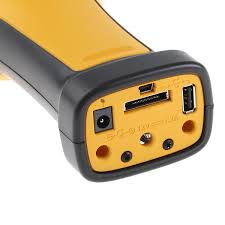
Buying Guide: Choosing the Right Meter for Your Application
When your blog supports a product focused purchase intent, readers want a simple checklist. Therefore, highlight the practical questions that guide selection without overcomplicating the decision.
Consider these buying factors:
- Measurement parameters needed, such as CO2, temperature, and humidity
- Accuracy expectations and stability for long logging sessions
- Data handling needs, including export formats and reporting workflow
- Display clarity for quick checks while on site
- Durability for field work and repeated handling
- Battery life for extended audits and multi room surveys
Also, think about what else the user carries. If a technician already uses laptops for reports, a smooth data transfer workflow matters. Likewise, if your team works around test gear and thermal inspections, the meter should complement existing procedures rather than slow them down.
Tips for Better Results in the Field
Even the best device benefits from smart technique. These habits improve repeatability and make your findings more credible.
- Place the meter at breathing height for occupied space assessments
- Let readings settle before starting a formal log session
- Record notes about occupancy, doors, and ventilation settings
- Compare multiple zones rather than relying on one location
- Repeat a short test after changes to confirm improvements
If your environment includes workshop elements, keep the device away from oils, dust, and direct exhaust streams. Use clean handling grips and store it carefully to protect the sensing area. In addition, avoid storing it near materials that can off gas or contaminate sensing surfaces.
Final Thoughts
A Fluke Data Logging Air Quality Meter is most valuable when you need clear trends, defensible reports, and practical insights you can act on. Because it records conditions over time, it helps you move beyond guesswork and prove what is happening in real indoor environments. Whether you are validating ventilation, tracking comfort, or supporting maintenance decisions that involve electronics and control systems, consistent data logging turns air quality from a vague concern into a measurable, manageable process.