
Why Choose the Fluke 27-II Digital Multimeter?
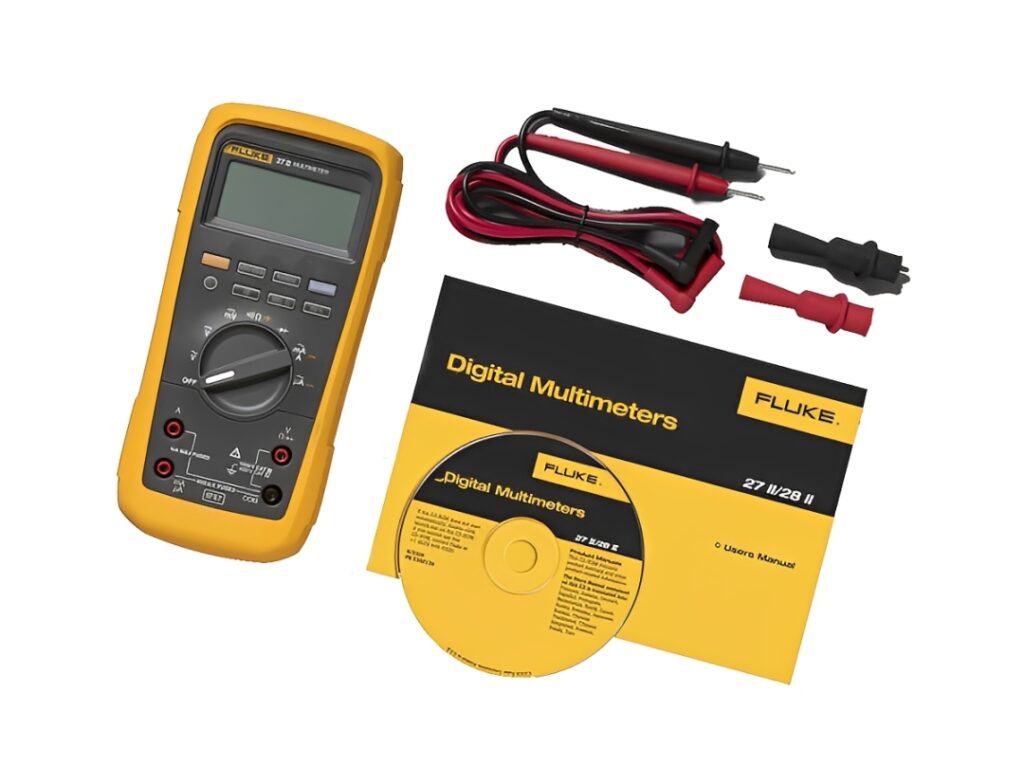
Fluke 27-II Digital Multimeter: Why Choose It?
The Fluke 27-II Digital Multimeter is built for technicians who need dependable measurements in messy, demanding environments. While many meters perform well on a clean bench, real industrial work involves dust, moisture, vibration, tight panels, and long shifts. Therefore, choosing a rugged meter is not just convenient, it directly supports safer diagnostics and faster downtime recovery.
This guide explains what makes the Fluke 27-II practical for industrial maintenance, electrical troubleshooting, and field service. You will also see how its durability, safety design, and measurement set fit everyday tasks across panels, motors, control cabinets, and electronic circuits.
What makes the Fluke 27-II different in harsh environments
In industrial sites, meters get dropped, exposed to water, and used with gloves. The Fluke 27-II is designed around that reality, with dust and water protection that supports use in challenging locations. It also performs consistently across temperature variations often found in outdoor and factory environments.
As a result, it is frequently chosen for plants, utilities, and heavy maintenance roles where tools must remain reliable despite environmental stress.
Rugged design that supports real work habits
A rugged meter helps when you are moving between machines, kneeling near contactors, or working beside rotating equipment. Practical design elements make daily work easier, such as:
- A sealed body that resists dust and moisture
- Construction designed to handle accidental drops
- A form factor that remains usable with protective grips and gloves
Because the meter is made for field handling, technicians can focus on measurements instead of worrying about tool damage.
Safety first: what to look for before you probe
Safety depends not only on protective equipment but also on the meter’s category ratings and input protection. The Fluke 27-II is designed for use in demanding electrical environments, supporting work on distribution panels and industrial circuits when used correctly.
Safe measurement habits that pair well with a rugged meter
Even with a robust tool, safe habits remain essential. Good practices include:
- Inspecting test leads for damage before each use
- Confirming correct jack placement before current measurements
- Verifying readings on a known source
- Managing cables to avoid contact with sharp edges or moving parts
- Following lockout procedures when working near live switches or contactors
These steps help reduce errors and protect both the user and the equipment.
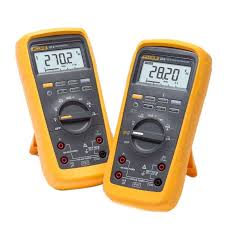
Core measurements you can rely on for troubleshooting
A digital multimeter proves its value by supporting fast and confident decisions. The Fluke 27-II supports essential measurements used in industrial diagnostics, including voltage, current, resistance, continuity, and diode testing.
Voltage and current checks for panels and motors
When equipment fails, power supply issues are often the first concern. Technicians commonly check:
- Incoming voltage at breakers and terminals
- Voltage drops across cables and connectors under load
- Current draw patterns that indicate mechanical or electrical stress
Because industrial systems combine power and electronics, moving quickly between high and low energy circuits is often required.
Continuity, resistance, and fault isolation
Continuity testing speeds up fault finding when tracking broken cables, blown fuses, or loose terminals. Resistance checks assist in validating:
- Open circuits in wiring
- Poor electrical contact in connectors
- Coil health in contactors and relays
Diode testing also helps when diagnosing protective components within electronic assemblies.
Capacitance and frequency in control electronics
Modern systems rely heavily on electronics. Measurements related to capacitance and frequency are valuable when checking:
- Capacitors in power supplies
- Signal stability for sensors and controllers
- Control circuits connected to microcontrollers and microprocessors
These checks help identify subtle faults that may interrupt automation or control logic.
Working with temperature, thermal behavior, and sensors
Heat often signals developing problems. Loose connections, overloaded cables, and failing components generate excess thermal energy. Temperature measurement capability allows technicians to correlate electrical readings with thermal behavior.
This approach helps identify:
- Overheating connectors caused by poor termination
- Warm cables indicating overload
- Components nearing failure inside control panels
In addition, proper use of thermal pads, clean connections, and organized wiring supports long-term reliability and safety.
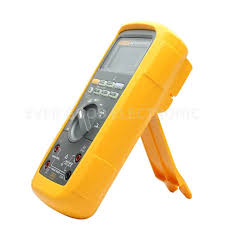
Where the Fluke 27-II fits best day to day
The Fluke 27-II is well suited for environments where clean conditions cannot be guaranteed. Typical applications include:
- Industrial maintenance and production lines
- Field service for pumps, motors, and machinery
- Electrical work in outdoor enclosures and panels
- Diagnostics involving electronics, LEDs, and control boards
It also integrates well into workflows where technicians alternate between hands-on testing and analysis using laptops.
Buying considerations for a product focused setup
When selecting the Fluke 27-II as a primary tool, practical usage matters more than raw specifications.
What to prioritize when configuring your kit
A well prepared setup often includes:
- High quality test leads and secure connectors
- Correct replacement fuses for long-term protection
- Organized storage for cables and accessories
- Cleaning materials suitable for industrial oils and contaminants
For users working in washdown areas or dusty locations, the sealed design becomes especially valuable.
Conclusion: a rugged meter that supports confident decisions
The Fluke 27-II Digital Multimeter is designed for professionals who require reliable measurements in harsh environments. Its rugged construction, safety focused design, and versatile measurement capabilities support confident troubleshooting across power systems, electronics, sensors, and control circuits.
When paired with disciplined testing practices, it becomes a dependable tool for maintaining productivity, safety, and accuracy in demanding industrial work.