
Why Choose a Fluke Insulation Tester for Maintenance?
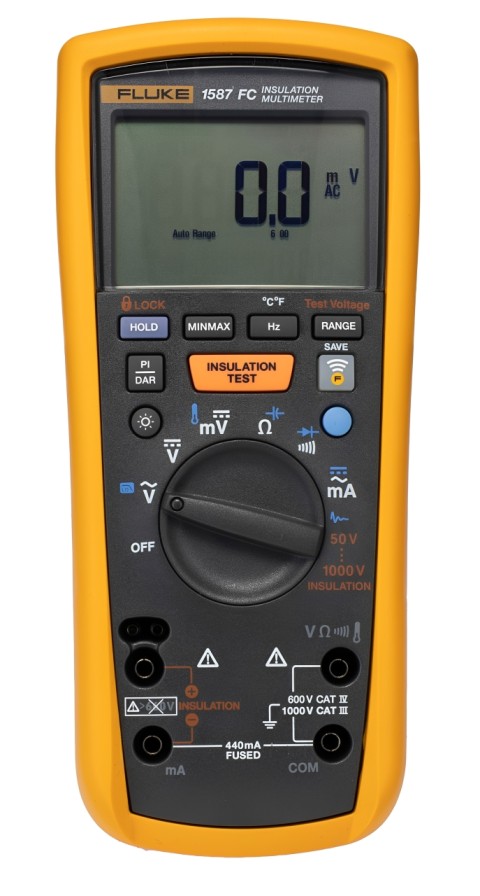
A Fluke Insulation Tester is a trusted electrical testing tool designed to measure insulation resistance, detect hidden faults, and support safer maintenance across electrical and electronic systems. It helps technicians check whether insulation around cables, motors, panels, and equipment is strong enough to prevent leakage current and unsafe operating conditions.
In today’s electrical environments, systems often combine power circuits with electronics, sensors, controllers, switches, connectors, contactors, fuses, LEDs, capacitors, microcontrollers, and microprocessors. Because of this complexity, insulation testing has become a critical step for reducing downtime, improving safety, and protecting valuable assets.
What Is a Fluke Insulation Tester Used For?
A Fluke Insulation Tester is mainly used to test the resistance of insulation materials that separate electrical conductors. When insulation is healthy, resistance is high. However, when insulation is damaged, contaminated, or aged, resistance can fall and allow unwanted current flow.
This tester is commonly used during:
• Electrical installation checks
• Cable fault investigation
• Motor and generator maintenance
• Control panel inspections
• Industrial equipment servicing
• Preventive maintenance routines
• Safety checks before energising circuits
As a result, it helps electricians and maintenance engineers make informed decisions before systems are powered on or returned to service.
Why Insulation Resistance Testing Is Important
Insulation resistance testing is important because electrical faults are not always visible. A cable may look clean from the outside, but its internal insulation may be damaged by heat, moisture, vibration, oils, or mechanical stress.
When insulation becomes weak, several problems can occur. Equipment may trip unexpectedly, fuses may blow, switches may fail, or contactors may operate inconsistently. In more serious cases, poor insulation can create shock hazards, fire risks, or expensive equipment damage.
Therefore, using a Fluke Insulation Tester allows technicians to detect problems early. It provides measurable results that support safer maintenance planning and reduce reliance on guesswork.
Fluke Insulation Tester Benefits for Electrical Safety
Electrical safety depends on reliable insulation. If current escapes from its intended path, it may reach metal enclosures, exposed parts, or nearby conductors. This can put people and equipment at risk.
A Fluke Insulation Tester supports safety by helping users:
• Identify insulation breakdown before failure
• Confirm cables are safe after installation
• Check equipment affected by moisture or oils
• Verify repairs before energising circuits
• Reduce risk of short circuits and leakage current
• Support compliance with workplace safety practices
• Improve confidence during commissioning
Moreover, regular testing helps create a maintenance history. When readings are recorded over time, technicians can see whether insulation performance is stable or gradually declining.
Cable Testing with a Fluke Insulation Tester
Cables are exposed to many conditions that can weaken insulation. They may be bent, pulled, heated, crushed, or exposed to chemicals. In industrial areas, oils and dust can also collect around cable entries and terminals.
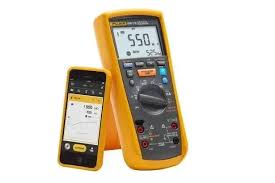
A Fluke Insulation Tester helps check cable condition by applying a suitable test voltage and measuring resistance. This can reveal issues such as moisture ingress, damaged jackets, crushed insulation, or contamination around connectors.
Cable testing is especially useful for:
• Power distribution cables
• Motor supply cables
• Control wiring
• Extension leads
• Panel wiring
• Sensor cables
• Machine wiring looms
However, the correct test voltage must always be selected. Sensitive electronics, controllers, laptops, and microprocessor-based equipment should be disconnected before testing where required.
How It Helps with Motors, Panels, and Contactors
Motors and control panels are common areas for insulation testing. Motors are often exposed to heat, vibration, dust, and moisture. Over time, winding insulation may weaken and cause leakage current or breakdown.
Electrical panels also contain many components close together, including switches, fuses, contactors, connectors, sensors, and control wiring. If dust, oils, or humidity enter the panel, insulation resistance can drop and create unpredictable faults.
Using a Fluke Insulation Tester during routine checks can help locate early warning signs. Technicians can then clean, dry, repair, or replace affected parts before a larger failure occurs.
Role in Electronics and Automation Systems
Modern automation systems depend on accurate signals and stable power. Sensors, controllers, microcontrollers, LEDs, capacitor circuits, and microprocessors all need clean electrical conditions to work correctly.
Poor insulation can create leakage paths that disturb signals or cause random faults. For example, a sensor cable affected by moisture may produce unstable readings. A control circuit near damaged insulation may trigger unexpected machine behaviour.
Because electronic components can be sensitive, testing must be planned carefully. Technicians should isolate delicate circuits before applying the insulation test voltage. This approach protects the equipment while still allowing safe testing of cables, panels, and field wiring.
Thermal Stress and Environmental Damage
Thermal stress is one of the most common causes of insulation ageing. Heat can harden, crack, or weaken insulation materials. In some cases, repeated heating and cooling can also loosen terminals and damage cable seals.
Other environmental factors can create similar problems. Moisture can enter junction boxes, oils can coat insulation surfaces, and dust can collect around terminals. These conditions may create leakage paths even when the insulation itself is not fully broken.
A Fluke Insulation Tester helps identify these hidden risks. When readings are lower than expected, technicians can inspect the surrounding area for heat damage, contamination, or moisture.
Thermal pads, power supplies, enclosed electronics, and high-load components may also contribute to local heat build-up. Therefore, insulation testing works well alongside visual inspection and temperature monitoring.
Choosing the Right Fluke Insulation Tester
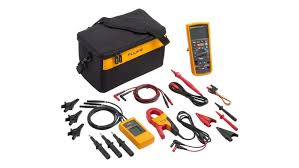
The right tester depends on the application. Some jobs require basic insulation checks, while others need higher voltage ranges, advanced memory, or additional measurement functions.
When choosing a tester, consider:
• Test voltage options for different equipment types
• Resistance range for accurate fault detection
• Safety category rating for the working environment
• Display size and readability
• Rugged design for field use
• Comfortable grips for long testing tasks
• Quality of test leads and probes
• Extra functions such as continuity or resistance measurement
A well-matched tester helps technicians work faster, safer, and more accurately.
Best Practices for Safe Insulation Testing
Safe testing starts with proper preparation. Before connecting a tester, the circuit should be isolated, de-energised, and checked with suitable tools. This prevents accidental contact with live voltage and protects connected equipment.
Important best practices include:
• Follow lockout procedures where required
• Verify the circuit is not live before testing
• Disconnect sensitive electronics and controllers
• Use the correct test voltage
• Keep hands away from exposed conductors
• Inspect leads, probes, and grips before use
• Record results for future comparison
• Investigate low readings before restarting equipment
Additionally, results should be interpreted with care. Temperature, moisture, contamination, and connected loads can all affect readings. Therefore, comparing results over time is often more useful than relying on one test alone.
Maintenance Value of Regular Testing
Regular insulation testing supports planned maintenance by turning equipment condition into measurable data. Instead of waiting for failures, maintenance teams can monitor insulation trends and schedule repairs when early signs appear.
This approach can reduce unexpected downtime in plants, workshops, buildings, and automation systems. It also helps protect expensive equipment such as motors, controllers, power supplies, and electronic assemblies.
Furthermore, regular testing supports better documentation. Recorded results can show whether cables, connectors, and panels remain stable after cleaning, repair, or environmental exposure.
Final Thoughts on Fluke Insulation Tester Performance
A Fluke Insulation Tester is a valuable tool for electrical safety, fault finding, and preventive maintenance. It helps technicians detect insulation weakness in cables, motors, panels, connectors, and industrial systems before faults become costly or dangerous.
As electrical systems become more advanced, the need for reliable testing grows. From sensors and switches to contactors, fuses, LEDs, capacitors, controllers, laptops, microcontrollers, and microprocessors, every connected part depends on safe insulation and stable electrical performance.
With correct testing methods, regular maintenance records, and careful handling around sensitive electronics, a Fluke Insulation Tester can help improve reliability, reduce downtime, and support safer operation across demanding electrical environments.