
How Do You Choose the Right Rixaline Bottle?
Introduction
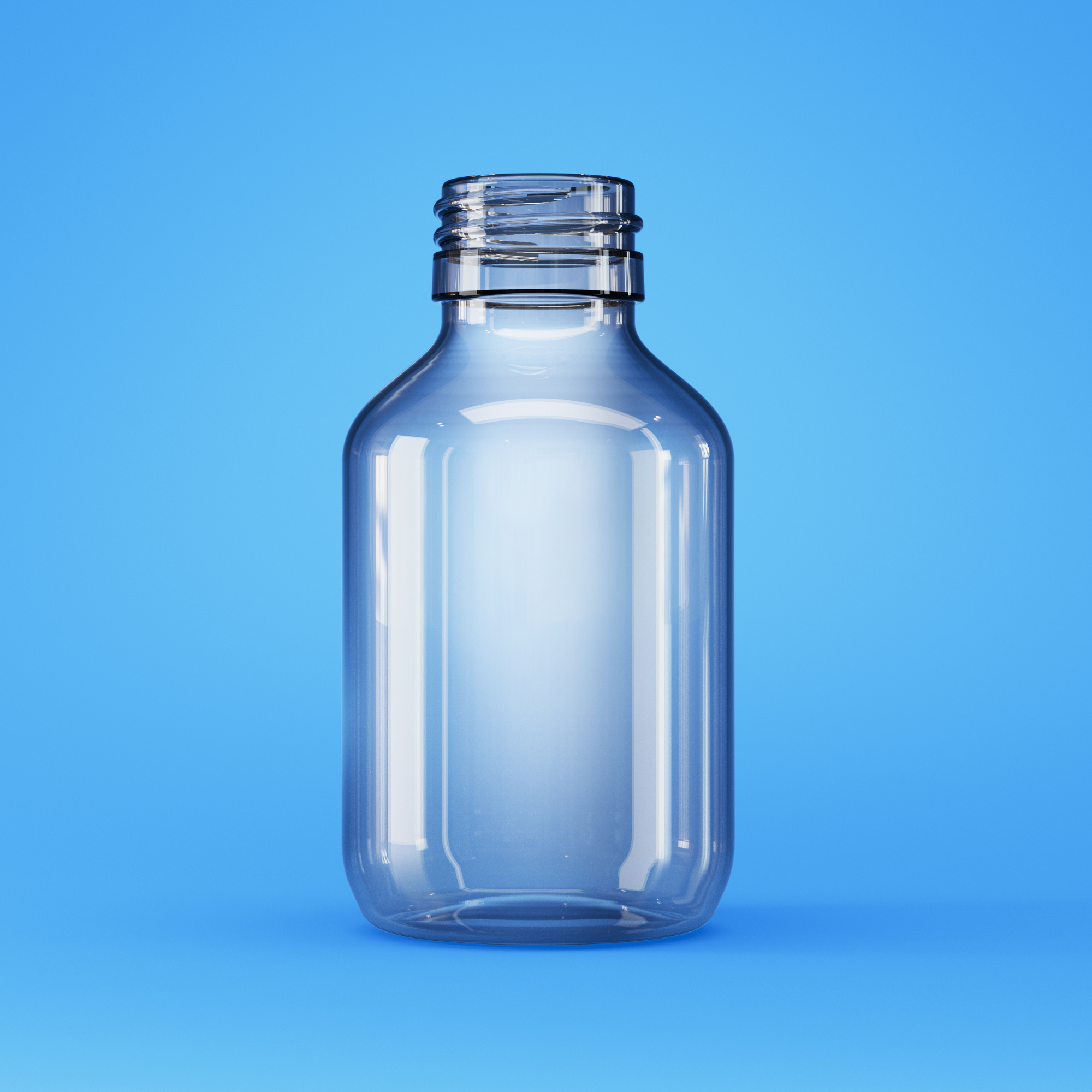
Choosing the right Rixaline bottle depends on the stored material, required capacity, bottle material, neck design, closure compatibility, filling method, and storage conditions. The correct bottle helps protect laboratory samples and solutions while supporting cleaner transfer, secure sealing, easier identification, and safer handling.
The Rixaline category includes clear-glass and rHDPE bottles in different sizes and neck formats for laboratory storage, sample preparation, packaging, and quality-control workflows.
What Will the Bottle Be Used For?
Start by identifying the purpose of the bottle. Different laboratory tasks require different container features.
Rixaline bottles may support:
- Sample storage
- Reagent preparation
- Reference solutions
- Formulation trials
- Quality-control samples
- Cleaning liquids
- Small production batches
- Temporary liquid transfer
A bottle intended for a small retained sample may need a different capacity and closure from one used for preparing or dispensing a frequently used solution.
Should You Choose Glass or rHDPE?
Bottle material is one of the most important selection factors.
Clear-glass bottles provide strong visibility, allowing users to inspect colour, clarity, liquid level, sediment, or separation without opening the container. Glass is useful for many laboratory solutions, reference materials, and samples where visual monitoring is important.
rHDPE bottles are lightweight and resistant to impact. They can be useful when reduced breakage risk, easier transport, and practical everyday handling are priorities.
Before choosing either material, confirm its compatibility with the stored liquid. Some solvents, oils, concentrated chemicals, or sensitive preparations may require specific container materials.
Which Bottle Capacity Is Suitable?
Choose a capacity that closely matches the amount being stored. Smaller bottles are practical for test samples, retained batches, and limited-volume preparations. Larger bottles are more suitable for working solutions and frequently used liquids.
Consider:
- Required fill volume
- Frequency of opening
- Filled bottle weight
- Available storage space
- Sample size
- Transport requirements
- Expected storage period
An oversized bottle may expose the liquid to unnecessary headspace, while a bottle that is too small may require repeated filling and handling.
Why Does Neck Design Matter?
The neck opening affects filling, pouring, sampling, cleaning, and closure selection.
A wide-neck bottle is useful for thicker liquids, powders, granules, or materials that are difficult to transfer through a narrow opening. It also provides easier access for filling and cleaning.
A narrower neck can improve pouring control and reduce the chance of splashing or accidental spills. It may be more suitable for low-viscosity liquids and routine dispensing.
Choose the neck design according to the product form and how the bottle will be used.
How Do You Select a Compatible Closure?
A secure closure helps prevent leakage, contamination, evaporation, moisture entry, and accidental opening. The bottle thread and closure size must match correctly.
The Closures category supports laboratory and packaging applications with screw caps, tamper-evident closures, dispensing inserts, and other sealing options.
Before selection, check:
- Thread specification
- Closure material
- Seal or liner type
- Chemical compatibility
- Tamper-evident requirement
- Dispensing need
- Storage temperature
An incorrectly fitted closure can compromise the entire storage system, even when the bottle itself is suitable.
How Does Liquid Handling Affect Bottle Choice?
Bottle selection should also reflect how the liquid will be filled, sampled, transferred, or dispensed.
The Liquid Handling category supports controlled filling, dosing, pipetting, sampling, and transfer procedures.
Wide openings may simplify filling, while narrower openings may offer better pouring control. When pipettes, dispensers, pumps, or spray closures will be used, confirm that the bottle neck and closure system are compatible with the equipment.
Controlled handling reduces spills, contamination, and unnecessary reagent waste.
When Are Other Containers More Suitable?
Bottles are suitable for many liquids, but they may not be ideal for every material. Powders, creams, pastes, solids, and products requiring wide access may be easier to store in jars or cans.
The Cans & Jars category supports packaging and storage where wider openings, visibility, and easier product access are needed.
Choose the container format according to the material’s viscosity, physical form, filling method, and dispensing requirements rather than appearance alone.
How Can Storage Conditions Be Monitored?
Some laboratory materials need controlled temperature, weight, volume, pH, or density during preparation and storage.
The Measuring Instruments category supports laboratory monitoring, weighing, testing, and quality-control checks.
Regular monitoring helps confirm that the correct amount has been prepared and that the stored material remains within acceptable conditions. It can also reveal evaporation, leakage, or unexpected physical changes.
What Safety Checks Are Important?
Bottle safety depends on both container quality and correct handling.
Before using a Rixaline bottle:
- Check for cracks or damage
- Confirm material compatibility
- Avoid overfilling
- Fit the closure securely
- Label the contents clearly
- Store the bottle upright
- Separate incompatible materials
- Use suitable protective equipment
Labels should include the material name, concentration, preparation date, batch reference, and relevant hazard information.
Common Selection Mistakes
Avoid:
- Choosing capacity without considering filled weight
- Using glass where breakage risk is high
- Storing incompatible chemicals in plastic
- Selecting the wrong thread or cap
- Ignoring headspace requirements
- Using damaged bottles
- Reusing contaminated containers
- Failing to label stored materials
Conclusion
Choosing the right Rixaline bottle requires matching the container to the liquid, volume, handling method, closure, storage conditions, and safety requirements. Clear-glass bottles support visibility and sample inspection, while rHDPE bottles provide lightweight and impact-resistant handling.
By checking material compatibility, bottle capacity, neck design, closure fit, and safe handling requirements, laboratories can reduce contamination, prevent leakage, and maintain better control over samples and prepared solutions.