
Why Choose a Vero Blank PCB Card Bracket?
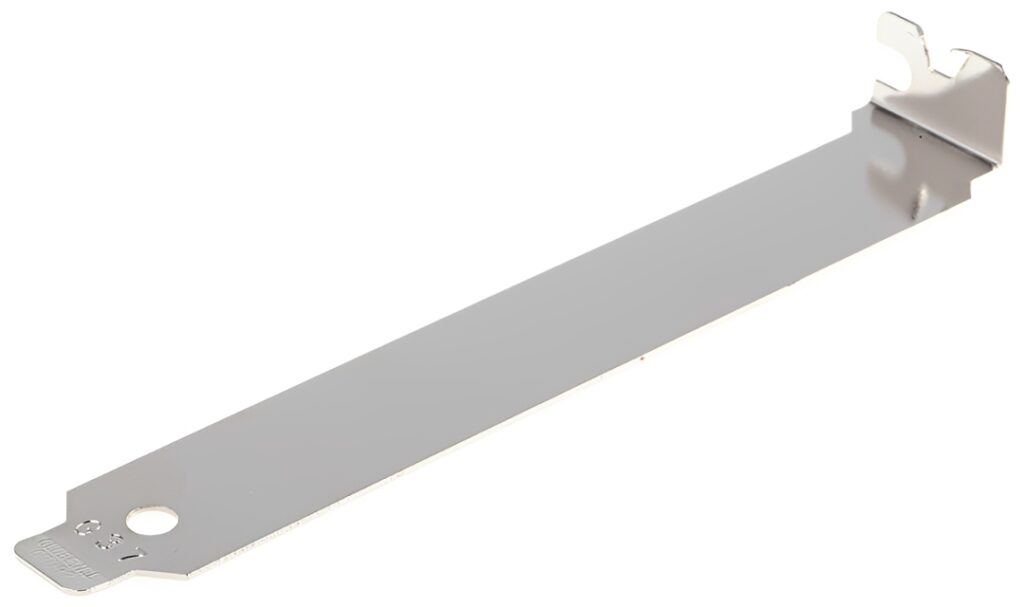
A Vero Blank PCB Card Bracket is used to hold a blank PCB card securely within an enclosure, test setup, or electronic assembly. It supports stable mounting, cleaner wiring, safer handling, and improved access for inspection. For engineers, technicians, and electronics builders, this small component can make a big difference in how reliable and serviceable a circuit board system becomes.
How Vero Blank PCB Card Brackets Support Electronics
In electronics, a PCB is often the centre of the complete system. It may carry connectors, sensors, switches, LEDs, fuses, capacitor components, microcontrollers, controllers, and microprocessors. However, even a well-designed board can face problems if it is not mounted correctly.
A Vero Blank PCB Card Bracket provides mechanical support so the board stays in a fixed position. This helps reduce movement when cables are connected, when tools are used, or when the equipment is transported.
As a result, the bracket helps protect the PCB from stress, bending, and accidental contact with nearby parts.
Why Secure PCB Mounting Improves Reliability
Reliable electronics depend on both electrical design and physical stability. If a PCB is loose inside a panel or enclosure, it may vibrate, shift, or press against other components. Over time, this can affect solder joints, connectors, and wiring.
Therefore, secure mounting is essential. A PCB card bracket helps maintain the correct position of the board, which supports better performance and longer service life.
Important reliability benefits include:
• Less strain on cables and connectors
• Better protection for soldered components
• Reduced vibration inside the equipment
• Safer spacing from metal surfaces
• Easier servicing and inspection
Better Cable Routing and Connector Access
Many electronic systems need several cables to connect power, signals, sensors, displays, and control devices. If the PCB is not supported, cable weight and movement can pull on the connector points. This may lead to poor contact or physical damage.
A Vero Blank PCB Card Bracket helps create a cleaner cable layout. Since the board remains steady, installers can route cables more neatly around the enclosure. This also makes it easier to identify each connection during maintenance.
Good cable routing is especially important in systems that include contactors, fuses, switches, and controllers. These components may need regular inspection, so clear access can save time and reduce mistakes.
Thermal Spacing and Component Safety
Thermal management is another important part of PCB installation. Some components produce heat during operation, including microprocessors, controllers, LEDs, power circuits, and contactors. If the board is poorly positioned, heat may build up and affect nearby electronics.
Although a bracket does not cool the circuit by itself, it supports better placement. It can help maintain space around thermal zones, airflow paths, and heat-sensitive components.
In some equipment, designers may also use thermal pads, oils, vents, or heatsinks to help control temperature. A stable bracket supports these measures by keeping the PCB aligned and away from crowded areas.
Better spacing can also improve safety. It helps prevent wires from touching hot surfaces and reduces the chance of damage to sensors, capacitor parts, and connectors.
Practical Uses for Vero Blank PCB Card Brackets
A Vero Blank PCB Card Bracket can be used in many electronic and industrial environments. It is valuable wherever a blank PCB needs to be fixed securely before wiring, testing, or final operation.
Common uses include:
• PCB prototyping and circuit testing
• Control panel assembly
• Sensor module installation
• Automation equipment
• Repair and upgrade projects
• Educational electronics training
• Test and measurement equipment
• Custom device enclosures
It can also be useful when a PCB connects to laptops or diagnostic tools during programming and testing. The bracket keeps the board stable while users connect cables, adjust settings, or check signals.
Improving Safety During Assembly and Maintenance
Safety is not only about electrical protection. It also depends on clean layout, stable mounting, and easy access. A loose PCB can move unexpectedly when touched with tools or when cables are adjusted.
By holding the board securely, a bracket helps reduce accidental contact and physical damage. It also supports safer separation between low-voltage electronics and higher-risk wiring areas.
This is especially useful in assemblies with contactors, switches, fuses, and power wiring. When each part has enough space, technicians can inspect and service the system with more confidence.
A neat layout also makes fault-finding easier. Technicians can quickly check connectors, LEDs, sensors, and controller links without disturbing the whole assembly.
What to Consider Before Selecting a PCB Bracket
Choosing the right bracket depends on the PCB size, card format, enclosure design, and mounting method. A suitable bracket should hold the board firmly while leaving enough room for wires, tools, and ventilation.
Before selecting one, check the board dimensions and the position of connectors. Also consider whether the assembly will need frequent servicing or testing.
Useful selection points include:
• PCB card size and thickness
• Mounting points and bracket compatibility
• Clearance around cables and connectors
• Access to switches, fuses, and LEDs
• Space for thermal pads or airflow
• Tool access for screws and adjustments
• Future maintenance requirements
Selecting carefully helps prevent installation problems and improves long-term usability.
Role in Prototyping and Development Work
During prototype work, the PCB may be changed many times. Components may be added, cables may be moved, and measurements may be taken repeatedly. A stable bracket gives the board a consistent position throughout this process.
This helps engineers test circuits more accurately. For example, sensor readings, thermal behaviour, and controller performance can be compared more easily when the board position stays the same.
It also protects delicate parts such as microcontrollers, microprocessors, capacitor networks, and small connectors from repeated handling damage.
Why It Helps Build Cleaner Equipment
A clean internal organisation makes equipment easier to build, inspect, and repair. A PCB bracket supports this by giving the circuit board a defined location within the assembly.
When the board is fixed properly, cables can be tied neatly, connectors can be positioned logically, and tools can reach service points without difficulty. This improves both the look and function of the finished system.
In professional electronics work, these small layout details matter. They reduce confusion, support safer servicing, and help equipment remain reliable under normal use.
Conclusion
A Vero Blank PCB Card Bracket is a practical choice for anyone who needs stable PCB mounting, safer cable routing, and cleaner electronics assembly. It helps protect boards from movement, supports better thermal spacing, and improves access for testing and maintenance.
For projects involving sensors, connectors, controllers, contactors, fuses, switches, LEDs, thermal pads, cables, tools, microcontrollers, laptops, and microprocessors, this bracket provides dependable support for a more organised and reliable electronic system.