
How Does Propylene Glycol 99.5 % Support Controlled Technical Processing?
A Practical Polyol for Repeatable Formulation Work
Consistent processing begins with a clearly specified raw material. Propylene Glycol (1,2-Propanediol), Technically At Least 99.5 % supports teams that need a concentrated, water-compatible liquid for development and manufacturing. Its solvent action, hygroscopic nature, low volatility and low-temperature behaviour make it relevant to selected process fluids, carriers and industrial formulations. Successful use depends on the complete specification, operating conditions and material compatibility.
What Is Propylene Glycol 99.5 %?
Propylene glycol is also known as 1,2-propanediol or propane-1,2-diol. It has the molecular formula C3H8O2 and CAS number 57-55-6. Two hydroxyl groups give the molecule strong affinity for water and help explain its humectant, solvent and mixing behaviour.
At room temperature, it is generally a clear, viscous and nearly odourless liquid. It is miscible with water, although compatibility must be confirmed for every formulation. The 99.5 % minimum assay describes concentration, but it does not automatically define impurity limits, regulatory approval or suitability for food, pharmaceutical or cosmetic use.
Why Is the Technical Grade Important?
Grade communicates the intended quality framework. A technical product can suit industrial processing, research trials and non-regulated formulations when its specification matches the application. It is not interchangeable with pharmacopoeial, food, cosmetic or analytical grades merely because the assay appears similar.
Purchasers should examine the certificate of analysis, safety data sheet, water limit, appearance requirements and any relevant impurity information. Batch documentation provides the evidence needed to decide whether the material fits an internal quality system. Assay is one useful measure, but it is only one part of responsible material qualification.
Which Functions Can It Perform?
The physical and chemical characteristics of propylene glycol allow it to perform several possible roles in suitable technical systems:
- Cosolvent for compatible water-based mixtures
- Carrier for selected functional ingredients
- Humectant for moisture-management formulations
- Component of certain cooling and freeze-protection fluids
- Processing aid in speciality chemical development
- Medium for controlled laboratory and pilot-scale trials
- Intermediate or feed material for further chemical processing
These functions are application dependent. Final performance may change with concentration, pH, temperature, dissolved solids and other additives. Laboratory screening should therefore reproduce the expected manufacturing and storage conditions as closely as possible.
How Do Temperature and Water Affect Processing?
Propylene glycol becomes more viscous at lower temperatures, which can slow pouring, pumping and dispersion. Warmer conditions may improve flow, but any heating must remain within an approved process range. Suitable Temperature And Monitoring equipment can help operators record storage and mixing conditions instead of relying on observation alone.
Because the liquid is hygroscopic, prolonged exposure to humid air can alter water balance. This matters when a formulation relies on a defined glycol-to-water ratio. Closed containers, controlled transfer and documented open time can reduce unwanted moisture uptake. Where water concentration influences the final result, teams should establish an appropriate analytical or physical verification method.
How Can Mixing and Dosing Become More Repeatable?
Addition order, agitation and dosing rate can influence uniformity. Introducing propylene glycol gradually may help prevent local concentration differences, particularly when the other phase contains dissolved solids or viscous components. Magnetic Stirrers can support small-scale screening where controlled agitation is required, but equipment capacity and sample viscosity must be considered.
For repeat liquid transfer, Reusable Dispensers may help improve dosing consistency when their wetted materials are chemically compatible. Laboratories handling directly from suitable supply containers can also assess Bottle Top Dispensers for controlled delivery. The selected device should match the required volume range, accuracy, container thread and cleaning procedure.
What Should Be Evaluated During Formulation Trials?
A useful development programme should measure performance immediately after preparation and again after realistic storage. Relevant observations may include:
- Visual clarity, colour and odour
- Separation, sediment or crystallisation
- Viscosity and ease of transfer
- Density or refractive response where methodologically appropriate
- Freeze behaviour for low-temperature systems
- Compatibility with seals, tubing, metals and containers
- Stability after heating, cooling or repeated temperature cycles
- Changes following controlled water addition
Acceptance criteria should be defined before testing. This approach helps teams distinguish a meaningful failure from a harmless visual or physical change and makes comparisons between trial batches more objective.
How Should Technical Propylene Glycol Be Handled?
Handling must follow the current safety data sheet, workplace assessment and local requirements. Containers should remain correctly labelled and securely closed when not in use. Spills can create slippery surfaces, so facilities need a suitable containment and cleaning procedure.
Appropriate Gloves should be chosen through a chemical-resistance assessment rather than by material name alone. Wider Protective Clothing may be necessary when the process presents splash, contamination or large-volume transfer risks. Required ventilation, eye protection and emergency arrangements should also be established before work begins.
Which Supply Format Fits the Operation?
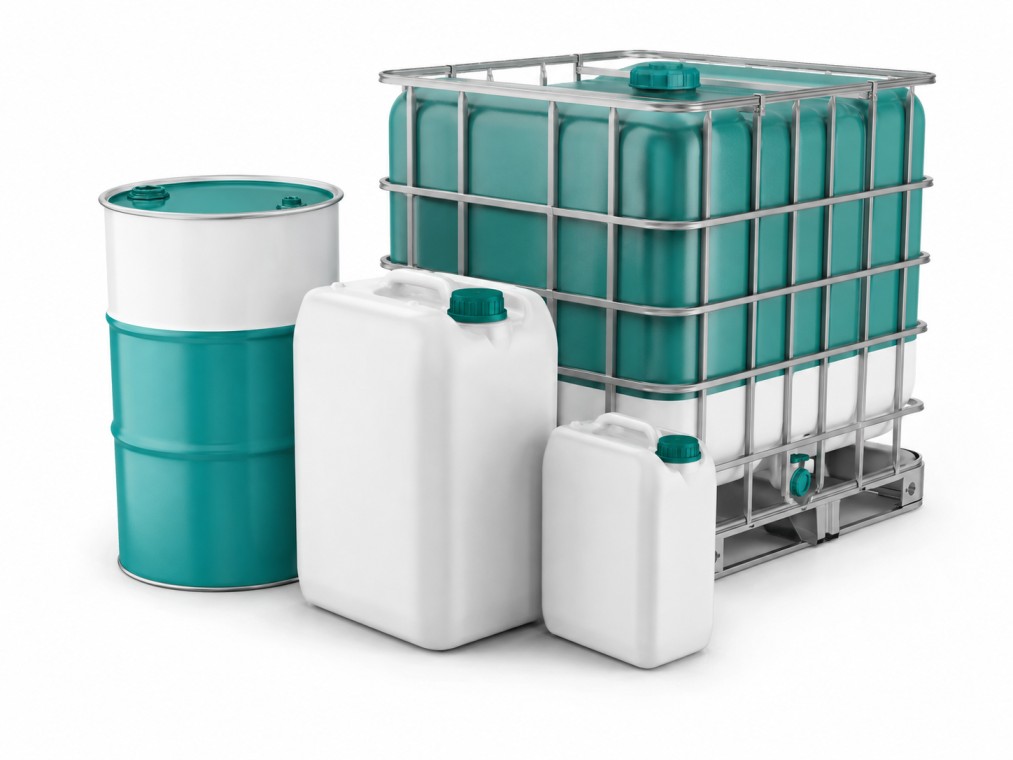
Available options include 5.15 kg, 20.6 kg, 206 kg and 1,030 kg formats. A development laboratory may prefer a smaller pack to limit storage time and simplify dispensing, while established production can benefit from a larger format when suitable transfer equipment is available.
The decision should reflect consumption rate, storage, lifting controls, batch size and contamination risk. Excess material can increase open-container time, while an undersized format may create unnecessary handling. The best choice matches the actual workflow safely.
Building a More Dependable Technical Workflow
Propylene glycol with a minimum 99.5 % assay offers useful concentration, water compatibility and functional flexibility for carefully selected technical applications. Reliable results come from confirming the grade, controlling moisture and temperature, selecting compatible dispensing equipment and testing the complete formulation under realistic conditions. When documentation, process monitoring and safe handling are planned together, this versatile polyol can support repeatable work from initial laboratory trials to established production.