
How Can a 276-1186 Storage Rack Shelf Improve Stock Flow?
A warehouse can have plenty of shelving and still lose valuable minutes on every order. Products placed in the wrong sequence, poorly planned picking routes and blocked access all slow down routine work. A 276-1186 Storage Rack Shelf offers a practical foundation for a better system when its shelf panels are fitted to compatible racking and the available space is planned around actual stock movement.
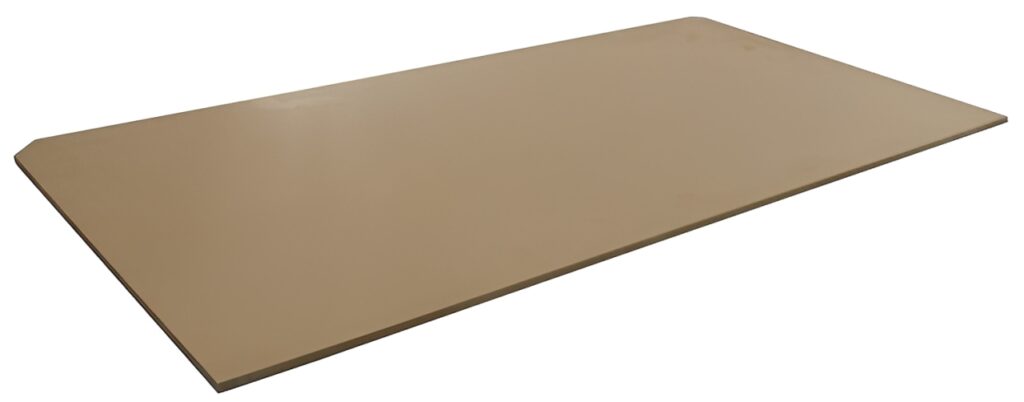
The 276-1186 Storage Rack Shelf is an RS PRO set of five brown medium-density fibreboard (MDF) panels. The manufacturer’s datasheet identifies each panel as 900 × 300 × 4 mm and lists compatibility with the RS PRO 276-1185 storage rack. This is a pack of replacement or fitting panels, not a complete freestanding shelving unit.
Why Does Shelf Layout Affect Warehouse Productivity?
Every unnecessary movement adds effort to receiving, picking and replenishment. A worker may walk past a frequently requested product several times simply because it sits behind slow-moving stock. A logical rack layout keeps regular tasks predictable and reduces avoidable handling.
Start by identifying which products move most frequently. Position those items at suitable, comfortable picking heights, leaving low-demand stock in less prominent locations. Access and permissible loads must still take precedence over convenience.
How Can a Five-Panel Set Support Consistency?
Five matching surfaces can make it easier to establish a consistent layout within a compatible rack. Equal shelf dimensions provide a repeatable footprint for stock locations, although the spacing between levels is determined by the rack design and installation instructions.
The published panel details are straightforward:
- Manufacturer: RS PRO, part number 276-1186.
- Material: Brown MDF fibreboard.
- Panel size: 900 mm long, 300 mm deep and 4 mm thick.
- Quantity: Five panels per set.
- Intended use: Compatible 900 × 300 mm steel racking, including RS PRO 276-1185.
Some distributor attribute fields display inconsistent dimensions. Use the manufacturer’s panel datasheet and verify your rack measurements before ordering.
How Should Stock Be Arranged for Faster Picking?
Instead of filling every open space, group items by how workers actually retrieve them. Fast-moving products belong in clearly accessible positions. Parts commonly picked together may benefit from nearby locations, provided the arrangement does not create confusion between similar stock codes.
Avoid stacking loose cartons so deeply that an older batch becomes invisible. A shelf should make identification easier, not hide the inventory that is already present.
Where Does First-In, First-Out Fit?
First-in, first-out, or FIFO, means older eligible stock is issued before newer arrivals where the inventory rules require it. Put incoming goods in a location that does not block access to existing stock, and display batch or receipt information clearly.
FIFO is not appropriate for every item without qualification. Products with expiry dates may require first-expiry, first-out instead, while regulated or serialised items can need stricter traceability.
When supplies require controlled access, nearby Storage Cabinets can hold restricted tools or sensitive inventory separately from open picking stock. That separation keeps routine replenishment from disturbing items managed under different procedures.
What Should You Check Before Loading MDF Shelves?
A shelf panel is only one part of a racking assembly. Its strength depends on the approved frame, supports, installation and distribution of the load. The 4 mm material thickness is not itself a safe working load rating.
Before placing stock, inspect the rack for missing beams, distortion and damage. Check that each board is properly supported and that the complete system’s published load limits suit the intended goods. Do not improvise unsupported spans or concentrate heavy loads in one small area.
Is MDF Suitable for Every Storage Environment?
MDF can provide an even surface in dry indoor storerooms, but it is not inherently waterproof or suitable for all chemicals. Moisture, leaking containers and repeated impact can damage the panel edges or cause swelling.
Protect shelving from wet goods and inspect for sagging or surface deterioration. If the storage area involves liquids, hazardous substances or electrostatic-sensitive electronics, specify additional containment or suitable purpose-built storage rather than relying on ordinary fibreboard alone.
How Can Replenishment Work Without Blocking Pickers?
Treat replenishment as its own workflow. Schedule larger restocking movements outside busy picking periods where practical, and keep aisles wide enough for the chosen handling equipment. Separate goods awaiting inspection from stock approved for use.
For moving sealed cartons between receiving and storage, correctly rated Platform Trolleys can reduce repeated manual carrying. Check trolley capacity, route condition and load stability before transporting products, and never use a trolley as an improvised ladder to reach upper shelves.
Which Measures Reveal Whether the Layout Works?
Track simple outcomes rather than assuming the new arrangement is better. Time representative picking tasks, monitor location errors and record how frequently workers must move unrelated stock to reach a requested item.
Compare periods with similar order volumes and product mixes. A successful layout should make stock easier to identify and replenish without increasing congestion or unsafe reaching.
How Do You Keep the System Effective Over Time?
Assign each shelf location a durable identifier, keep a current location register and review placements when product demand changes. Staff should know where to return goods, who can alter locations and how damaged shelving is reported.
Keep inspection and housekeeping routines short enough to perform consistently. A tidy rack is useful only when its labels, supports and inventory records remain accurate after the initial reorganisation.
Final Thoughts
The RS PRO 276-1186 is a simple five-panel MDF set, but its usefulness depends on a thoughtful storage process. Compatible supports, sensible stock rotation and measured picking performance make those flat surfaces work harder. Where staff and material-handling equipment share access routes, appropriate Lane Marking Tapes can reinforce designated walkways and storage boundaries as part of a wider workplace safety plan.